
The complete guide
Buying Guide
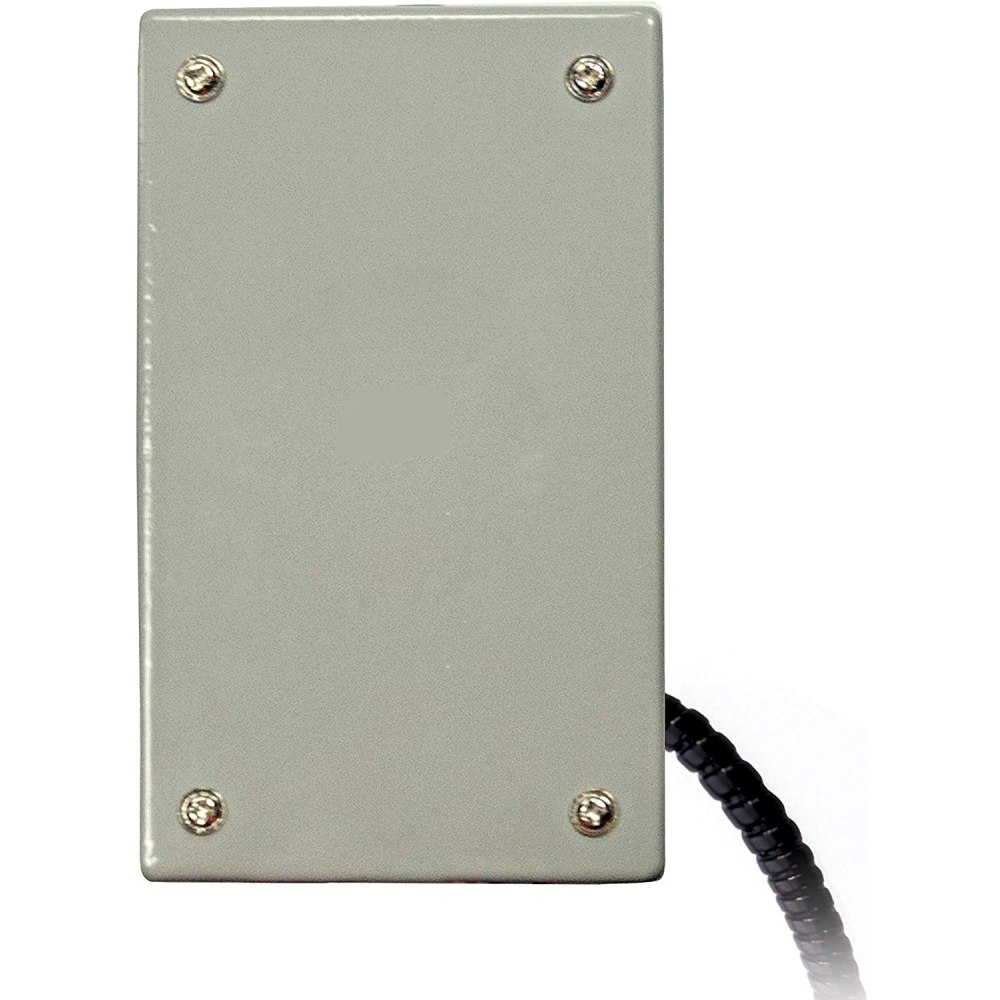
Bird Warmer | Bird Heater | Bird Cage Heater
Protect your birds from the harmful effects of air conditioning & cold drafts. This bird warmer is energy efficient & safer than other bird cage heaters
Designed to help protect your exotic birds from the harmful effects of air conditioning and cold drafts
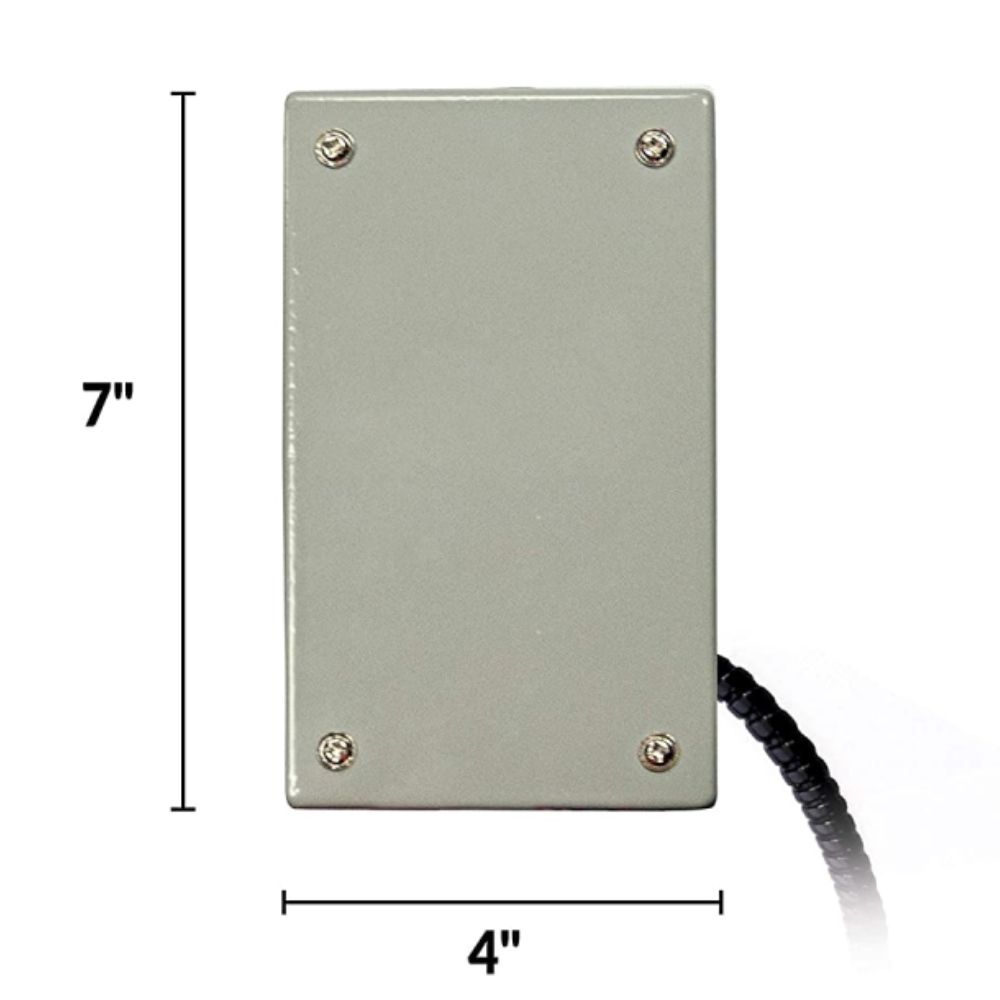
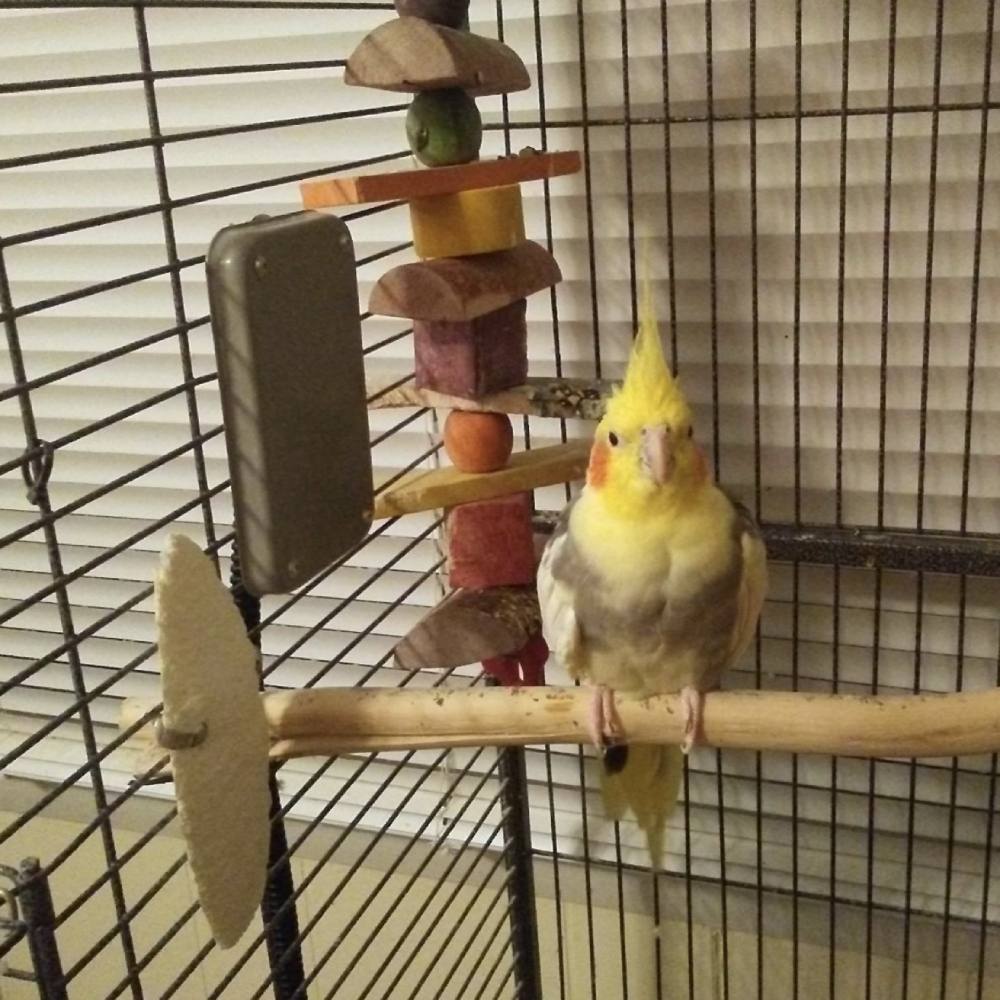
This low voltage bird cage heater mounts right to the side of the cage, allowing your bird to "Snuggle Up" to it to get nice and warm (will not heat entire cage).
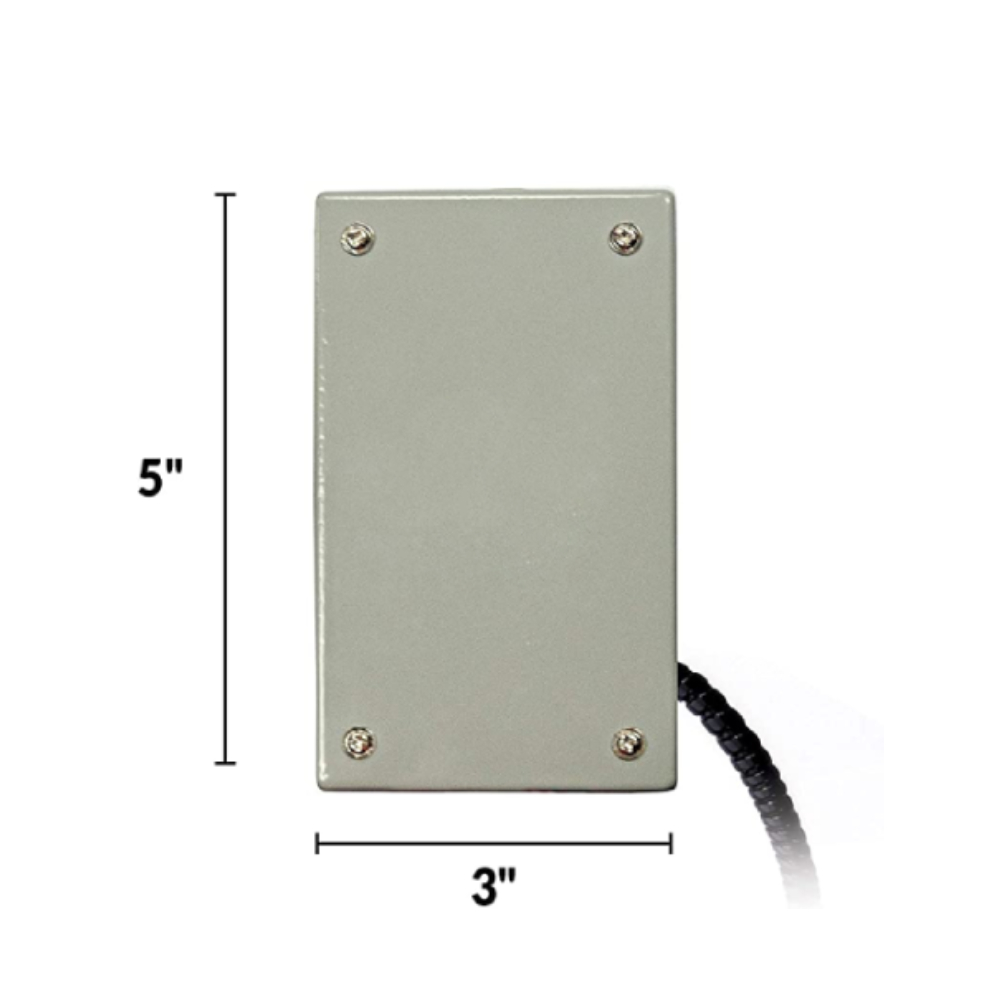
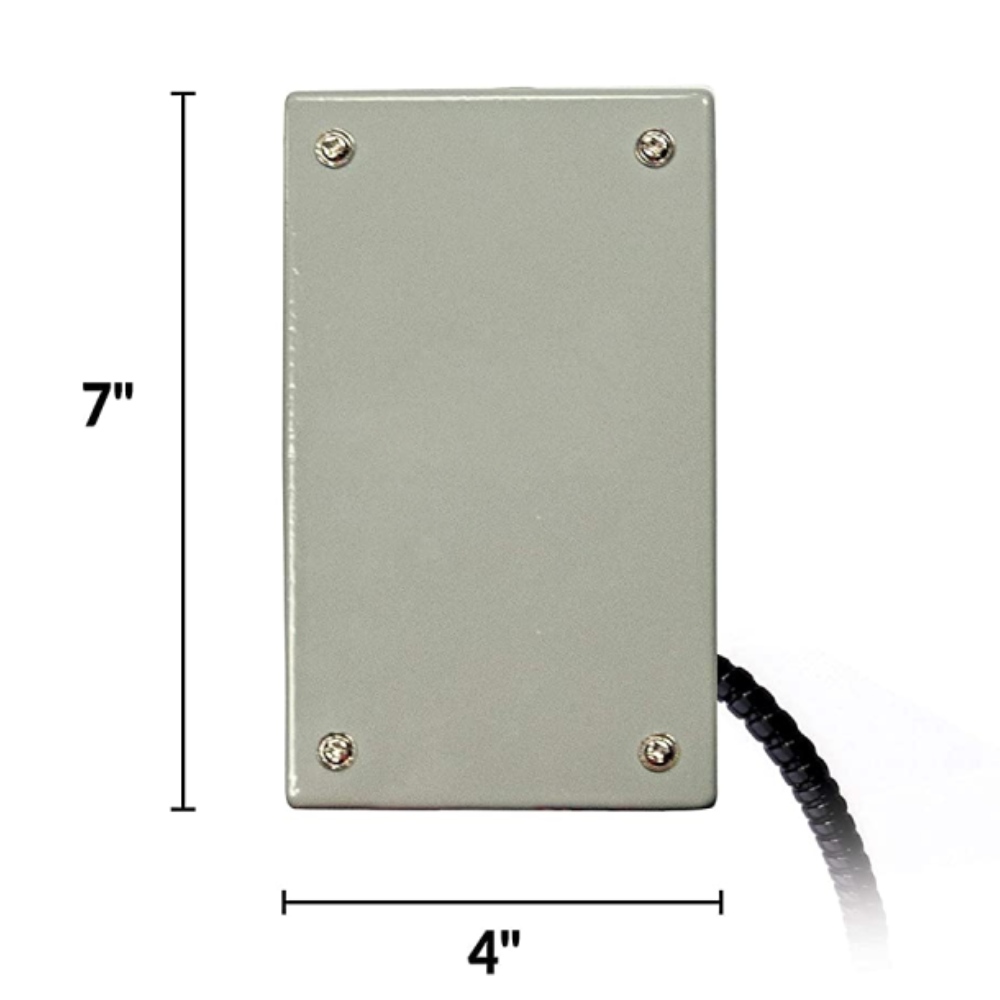
Available in two sizes for any size bird…from cockatiels to African Grays to Macaws, we’ve got you covered.
Provides stable environment for birds with its consistent safe source of warmth. This Bird Warmer is designed for years of experience in creating safe, innovative, quality products for pets. NOTE: The 12V electrical current is harmless to your bird; but as with any electrical products, please keep the cord away from the reach of your bird to avoid damage to the product.
PERFECT TEMPERATURE
Thermostatically controlled to an optimum body temperature for birds to snuggle up to.
LOW VOLTAGE
Uses harmless 12-volt, low voltage electricity to heat the bird warmer and is easy to clean.
SAFETY
Safe, consistent source of warmth, stabilizes the bird's environment.
HEALTH
Can reduce avian stress contributing to good health.
Best Bird Warmer: Keep Your Feathered Friends Cozy Year-Round
Whether you own finches, canaries, parakeets, or larger parrots, maintaining a stable temperature is crucial to avian health. The best bird warmer provides gentle, reliable heat to your pet’s enclosure, ensuring their comfort and well‐being. In this in‐depth guide, we’ll explore why targeted warmth matters, compare various heating solutions, highlight the top best bird heater and best bird cage heater products, and share expert tips on safe installation, operation, and maintenance. With over 2,000 words of detailed advice, you’ll be equipped to choose the perfect heating system for your aviary.
Why Temperature Control Is Essential for Pet Birds
Birds are highly sensitive to ambient temperature. In the wild, they seek shelter and sun to regulate their body heat. In captivity, you must replicate those conditions:
Respiratory Comfort: Drafts and low temperatures aggravate sinus and respiratory issues, especially in young or senior birds.
Behavior & Mood: Warmth encourages natural behaviors, singing, foraging, and play, while cold stress promotes lethargy and aggression.
Breeding Success: Many species require stable temperatures around 75–85°F for egg incubation and chick rearing.
Investing in the best bird cage heater is not a luxury, it’s a fundamental component of responsible avian care.
Key Features of the Best Bird Heater
When evaluating heating solutions, look for these must‐have characteristics to ensure safe, effective performance:
Adjustable Thermostat: Precise temperature control prevents overheating and energy waste.
Durable Construction: Shatterproof housing and chew‐resistant materials withstand curious beaks.
Even Heat Distribution: Diffused warmth avoids hot spots and scorching perches.
Safety Certifications: UL or ETL approval guarantees electrical and fire safety standards.
Low EMF & Noise: Quiet operation and minimal electromagnetic emissions preserve bird comfort.
Mounting Flexibility: Clamp, clip, or wall‐mount options adapt to any cage design.
Energy Efficiency: Ceramic or infrared technology consumes less power while delivering consistent warmth.
Integrated Timers & Sensors: Auto‐on/off scheduling and overheat protection enhance convenience and safety.
Types of Avian Heating Solutions
Various technologies deliver targeted warmth to cage environments. Understanding each option helps you choose the ideal bird warmer:
Ceramic Heat Emitters
Ceramic heaters produce infrared heat without visible light. They mount above or beside the cage, radiating gentle warmth:
Pros: No light disturbance, consistent heat, long lifespan.
Cons: May require protective guard to prevent contact burns.
Radiant Infrared Panels
Flat panels adhere outside cage walls and deliver even, surface‐mounted warmth. Ideal for larger aviaries:
Pros: Uniform heat, space‐saving, safe against direct contact.
Cons: Higher upfront cost, requires proper installation.
Heat Lamps
Traditional incandescent or halogen lamps clip or hang above the cage. They provide bright warmth but also emit light:
Pros: Easy to install, inexpensive bulbs.
Cons: Can disturb sleep cycles, risk of overheating foliage and perches.
Heated Perches
Electrified perches warm birds directly where they rest. Especially useful for drafty environments:
Pros: Direct contact warms feet, localized heat, simple retrofit.
Cons: Limited coverage area, may encourage perch overuse.
Cage Cover Warmers
Soft shell covers with integrated heating strips wrap around the cage like a blanket. They trap ambient warmth:
Pros: Even, gentle heat, reduces drafts.
Cons: Can limit airflow if not vented properly.
Top 6 Best Bird Cage Heaters
Based on performance, reliability, and avian‐friendly design, these units rise above the competition:
- AviHeat Pro Ceramic Emitter
Output: 75W ceramic infrared
Thermostat: Built‐in adjustable digital control (65–95°F)
Mount: Swivel clamp for bars or mesh
Safety: Overheat shut‐off, ETL certified
Why We Love It: Whisper‐quiet, zero light emission, and precise temperature regulation make it the best bird heater overall.
- FeatherWarm Radiant Panel
Size: 16” x 12” flat‐panel heater
Power: 150W low‐EMF infrared
Installation: Adhesive mounting strips or brackets
Features: Even heat distribution, invisible glow
Why We Love It: Sleek profile and energy efficiency make it our top best bird cage heater for larger enclosures.
- WarmPerch Deluxe Heated Bar
Length: 12” heated PVC perch
Power: 10W, low‐voltage DC
Control: External thermostat compatibility
Safety: Textured, anti‐slip surface
Why We Love It: Direct warmth at foot level keeps small birds comfortable in drafty rooms.
- HeatNest Cage Wrap
Material: Insulated fabric with embedded heating coils
Coverage: Fits cages up to 24”H x 18”W x 14”D
Thermostat: Integrated dial (60–90°F)
Why We Love It: Combines insulation and heat for gentle, all‐around warmth, our favorite bird cage heater blanket.
- CozyClime Infrared Heat Lamp
Bulb: 60W shortwave infrared halogen
Fixture: Metal clamp lamp with protective guard
Control: Inline dimmer switch
Why We Love It: Affordable and easy to position, ideal for temporary or supplemental heating.
- SolarGlow UVB + Heat Combo
Bulbs: 5% UVB fluorescent + 50W ceramic heat
Fixture: Dual‐lamp clamp mount
Why We Love It: Perfect for exotic species needing both heat and UV exposure in one unit.
How to Install and Position Your Avian Warmer
Proper placement and setup maximize effectiveness and safety:
Height & Distance: Position heaters at least 12” above perches to prevent direct contact burns.
Angle: Aim infrared panels or lamps downward toward the cage interior for optimal heat dispersion.
Draft Avoidance: Mount on the side opposite door openings or HVAC vents.
Stable Mounting: Use secure clamps, brackets, or adhesive strips rated for the unit’s weight.
Provide Cool Zones: Ensure birds can move away from the heat source if they become too warm.
Maintaining Your Bird Cage Heater for Longevity
Routine care ensures continued performance and safety:
Clean Reflectors & Panels: Wipe away dust and droppings monthly with a damp cloth.
Inspect Cords & Connectors: Check for frays or damage; replace at first sign of wear.
Test Thermostats: Calibrate controls seasonally to ensure accurate temperature readings.
Replace Bulbs as Needed: Infrared and halogen bulbs lose output over time, swap annually if used daily.
Check Mounts: Retighten clamps and brackets to prevent slipping or falling hazards.
Safety Tips for Using Bird Cage Heaters
Heat sources pose risks if misused. Follow these precautions:
Never Leave Unattended: Supervise new installations and avoid holiday absences without a backup plan.
Avoid Overheating: Use the thermostat to maintain temperatures below 90°F to prevent heat stroke.
Protect Against Moisture: Keep electrical components away from water bowls and damp environments.
Install Smoke & Heat Alarms: In the room housing your aviary for early fire detection.
Use Bird‐Safe Bulbs: Only fixtures rated for animal use, avoid household heat lamps with harmful coatings.
Common Mistakes to Avoid
Even diligent bird keepers can make errors. Steer clear of these pitfalls:
Excessive Heat: Running heaters at maximum output constantly stresses birds and wastes energy.
Poor Ventilation: Sealed cages with heaters can trap moisture, ensure airflow to prevent mold.
Uneven Heating: Single‐point heat sources leave cold spots, use multiple units or diffusing panels.
Ignoring Species Needs: Tropical parrots require higher nighttime temperatures than finches or canaries.
What temperature range do most pet birds need?
Most tropical species thrive between 75–85°F during the day and may tolerate a 5–10°F drop at night. Consult species‐specific care guides for precise requirements.
Can I use a reptile heat lamp for birds?
Only if the lamp produces infrared heat without UV emissions that could harm birds. It’s safer to choose devices specifically designed for avian use.
How do I measure cage temperature accurately?
Use a digital thermometer with a probe placed at perch level. Avoid reading near the heat source, which can skew results.
Do birds need heat year‐round?
In mild climates, supplemental heating may only be needed during winter months. Cold drafts indoors during heating season also warrant continuous warmth.
Is a thermostat necessary for a bird cage heater?
Absolutely, thermostats prevent dangerous temperature spikes and reduce energy consumption by cycling the heater on and off as needed.
Conclusion
The right best bird warmer transforms your avian companion’s cage into a comfortable, stable environment, boosting health, reducing stress, and supporting natural behaviors. Whether you opt for the precision of the best bird heater ceramic emitter, the elegance of an infrared panel, or the convenience of a heated perch, prioritize safety certifications, adjustable controls, and durable construction. With proper installation, routine maintenance, and mindful temperature monitoring, your feathered friend will enjoy cozy comfort throughout every season. Illuminate their world with gentle warmth and watch them thrive!